
ប្រទេសកុងហ្គោ ៖ អគ្គនាយកអង្គការសុខភាពពិភពលោក WHO ប្រកាសនាថ្ងៃទី២៤ ឧសភា ថា មនុស្សជាង៩០០នាក់ សង្ស័យឆ្លងវីរុស EBOLA នៅសាធារណរដ្ឋប្រជាធិបតេយ្យកុងហ្គោ ។
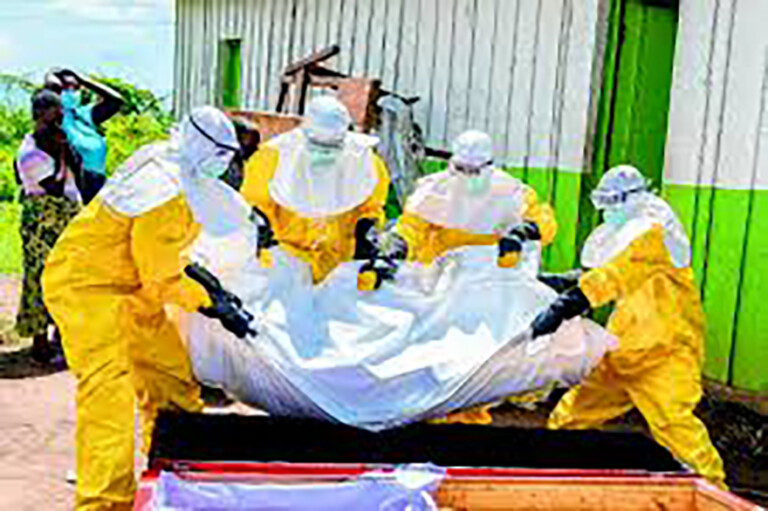
តាមបណ្ដាញសង្គមXអគ្គនាយករូបនោះ លោក TEDROS ADHANOM GHEBREYESUS សរសេរថា ការខិតខំប្រឹងប្រែងត្រួតពិនិត្យត្រូវបានពង្រឹងក្នុងក្របខណ្ឌនៃការតស៊ូប្រឆាំង EBOLAនៅសា ធារណរដ្ឋប្រជាធិបតេយ្យកុងហ្គោដែលនៅទីនោះ អ្នកសង្ស័យឆ្លងជំងឺនោះ មានដល់ជាង៩០០នាក់ ក្នុងនោះ១០១នាក់ ត្រូវបានកំណត់ដឹងថា ឆ្លងមកទល់ពេលនេះ។
លោកមិនបានលើកពីចំនួនអ្នកស្លាប់ឡើយ ។ ប៉ុន្តែតាមតុល្យការចុងក្រោយមួយរបស់ក្រសួងសុខា ភិបាលប្រទេសនោះថា ការឆ្លងរាលដាលនៃជំងឺនោះ បណ្ដាលឲ្យមនុស្សស្លាប់២០៤នាក់ ក្នុងចំណោមអ្នកសង្ស័យ៨៦៧នាក់ ។
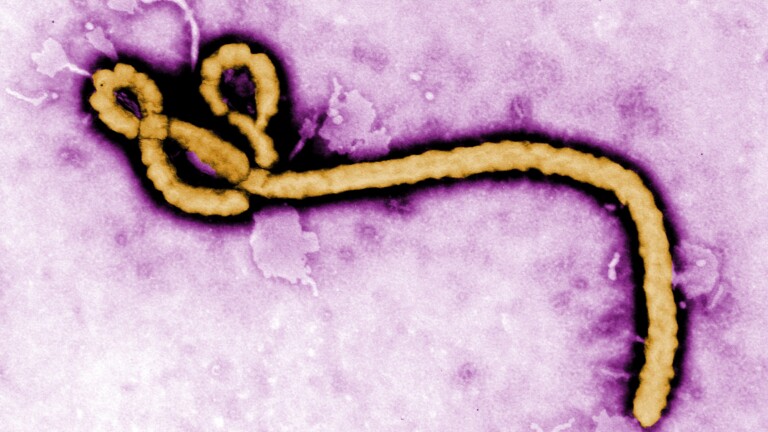
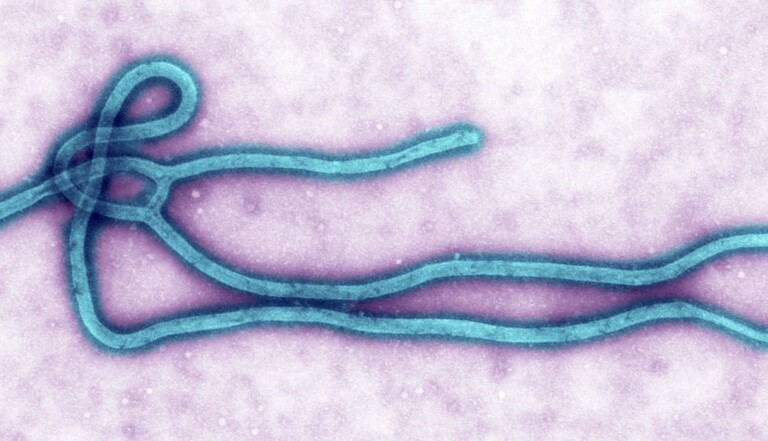
This colorized transmission electron micrograph (TEM) revealed some of the ultrastructural morphology displayed by an Ebola virus virion. See PHIL 1181 for a black and white version of this image.
What is Ebola hemorrhagic fever (Ebola HF)?
Ebola hemorrhagic fever (Ebola HF) is a severe, often-fatal disease in humans and nonhuman primates (monkeys, gorillas, and chimpanzees) that has appeared sporadically since its initial recognition in 1976.
The disease is caused by infection with Ebola virus, named after a river in the Democratic Republic of the Congo (formerly Zaire) in Africa, where it was first recognized. The virus is one of two members of a family of RNA viruses called the Filoviridae. There are four identified subtypes of Ebola virus. Three of the four have caused disease in humans: Ebola-Zaire, Ebola-Sudan, and Ebola-Ivory Coast. The fourth, Ebola-Reston, has caused disease in nonhuman primates, but not in humans.
ប្រទេសនោះ ប្រកាសកាលពីថ្ងៃទី១៥ ឧសភា ពីការឆ្លងជំងឺ EBOLA បណ្ដាលមកពីវីរុសBUNDIBUGYO ដែលមកទល់ពេលនេះ នៅមិនទាន់មានវ៉ាក់់សាំងការពារ ឬថ្នាំព្យាបាលនៅឡើយ ហើយអត្រាស្លាប់មានដល់៥០% ។ WHO ក៏បានចេញការប្រកាសអាសន្នសុខាភិបាលជាអន្តរជាតិមួយរូចហើយដែរ ៕
ចែករំលែកព័តមាននេះ